Mediterranean recipes made for gathering
Some cookbooks are practical. Some are beautiful. The rare ones make you want to immediately start planning a dinner party.
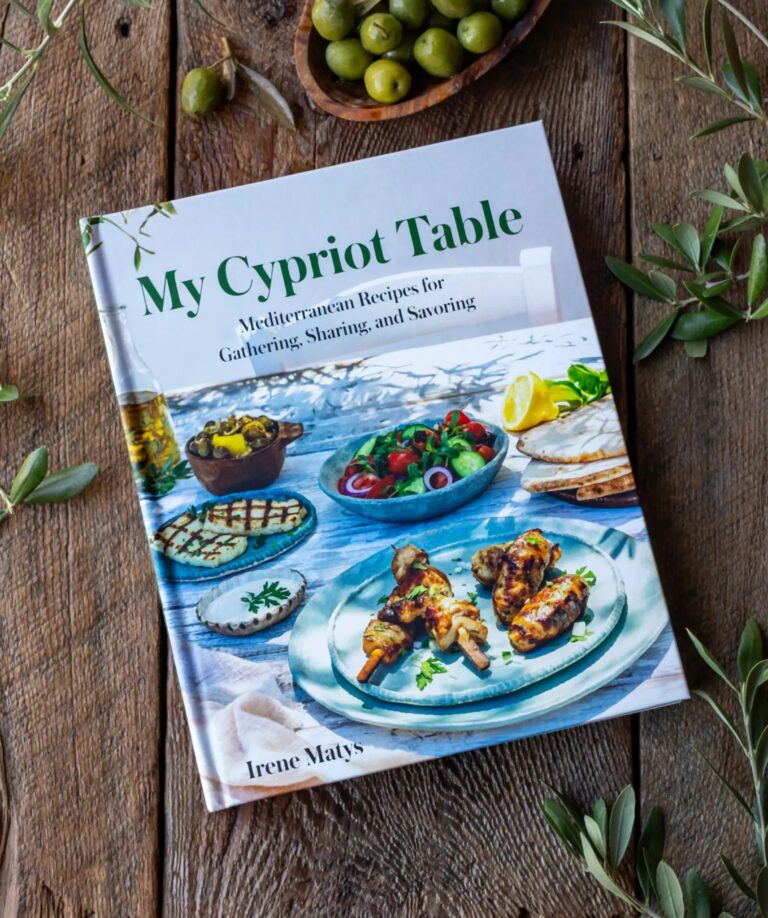
Irene Matys’ My Cypriot Table lands firmly in that last category.
Part memoir, part culinary love letter, and part genuinely useful kitchen companion, this debut cookbook brings the warmth of Cyprus to Canadian kitchens in a way that feels both deeply personal and refreshingly approachable.
Scroll down for her recipes for Keftedes and Baklava Butter Tarts.
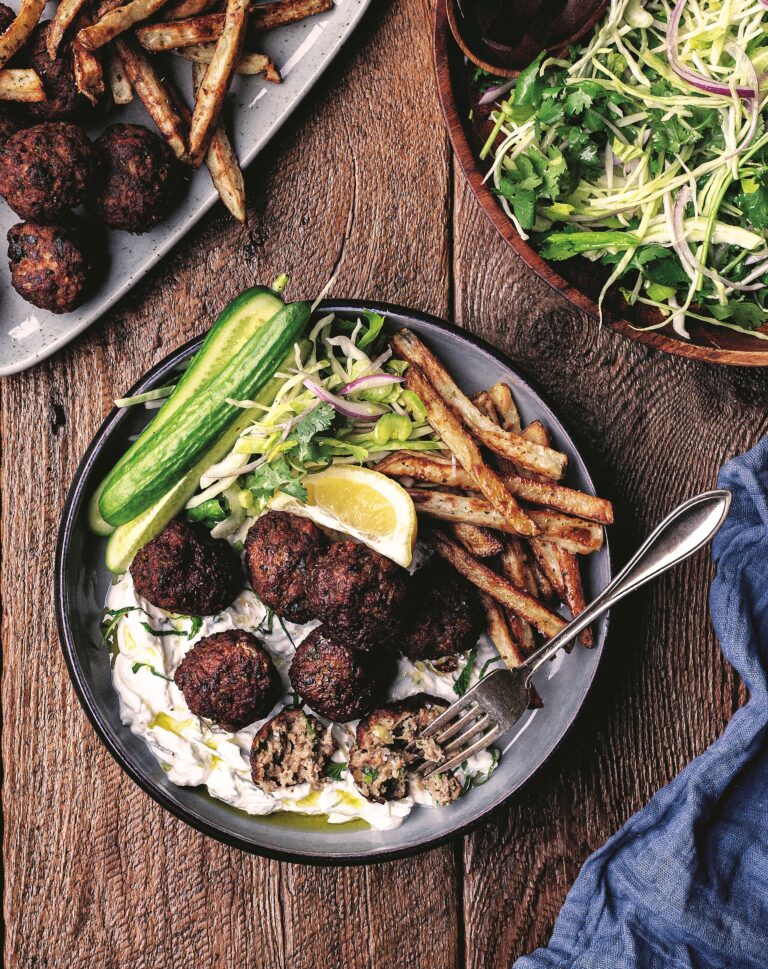
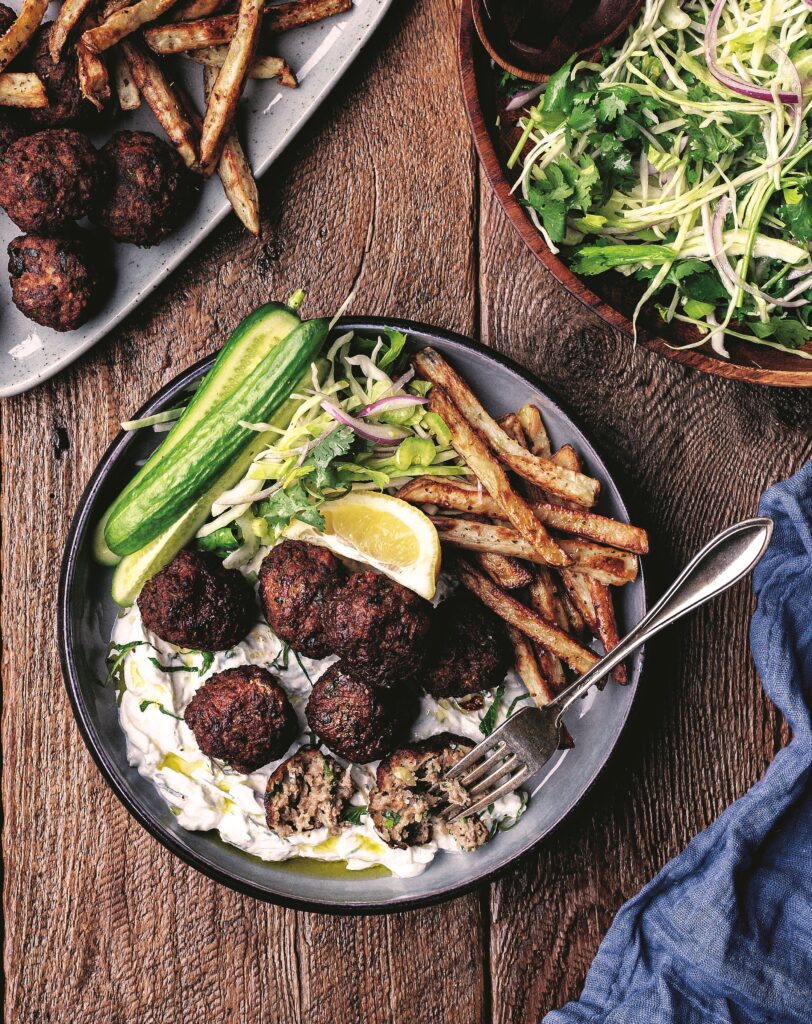
Keftedes – Cypriot Meatballs
My Cypriot Table by Irene Matys
- 1 cup finely chopped stale Eliopita or other bread or ½ cup breadcrumbs
- ¼ cup 2% milk
- 1 lb 450 g ground pork
- 1 lb 450 g lean ground beef 1½ cups grated russet potato
- 1 large potato, skin on, scrubbed well
- 1 cup grated cooking onions (1 medium)
- 1 cup finely chopped fresh flat-leaf parsley leaves and tender stems
- 2 Tbsp dried mint or ¼ cup finely chopped fresh mint
- 2 large eggs (beaten 1½ tsp sea salt)
- 1 tsp fresh ground pepper
- 2 Tbsp fresh lemon juice Light olive oil or sunflower oil (for frying)
- In a large bowl, mix the bread and milk. Add the pork, beef, and potato to the bread mixture. Mix until well combined. Mix in the onions, parsley, mint, eggs, salt, and pepper.
- Brush the top of the meat mixture with lemon juice to keep the meat from browning. Cover with a tea towel and let rest for 30 minutes on the counter. Bringing meatballs to room temperature before cooking will result in a fluffy meatball.
- Fill a deep pot about a quarter full with oil. Heat the oil over medium- high heat to 350°F.
- Scoop a heaping tablespoon of the meat mixture and roll into a ball. Deep-fry meatballs in batches, turning with a fork for even cooking, until medium dark brown, 5 to 6 minutes. Do not overcrowd the pan. It’s always good to fry one and test it before frying a whole batch. With a slotted
Keftedes is a special childhood comfort food that I absolutely loved and looked forward to. For those who grew up enjoying them, they invoke a wave of nostalgia and fond memories. Infused with the essence of fresh or dried herbs, they are addictively delicious. For me, each bite offers a taste of history, a connection to the past, and a reminder of the timeless pleasure of gathering together to enjoy them—especially when we had picnics or beach days with family and friends. My mama would make a double batch weekly, and any leftovers would make it into our school lunches. My brother and I would always sneak a few before they even made it to the table for lunch or dinner. And when our school friends would stay for meals, they would always ask if keftedes were on the menu.
Where Heritage Meets the Modern Table
What makes My Cypriot Table stand out is Matys’ ability to honour tradition without making it feel inaccessible.
Yes, there are beautifully executed staples like Eliopita, Cypriot olive bread, Spanakopita, and Cypriot meatballs, but what really makes this book feel alive is how naturally it bridges old-world flavour with contemporary cooking.
Recipes like Baklava Butter Tarts and Garlic Scape Halloumi Quiche feel especially smart, blending Cypriot identity with the kind of seasonal, local ingredient mindset that resonates strongly here on the West Coast.
This is heritage cooking that understands how people cook now.
What Really Works
The photography: Matys’ background in food styling is impossible to miss. The imagery is lush, transportive, and packed with the kind of Mediterranean warmth that practically demands a market run.
The ingredients: Halloumi, tahini, orange blossom, mastic, and mahlepi all make appearances. The book goes beyond familiar Mediterranean clichés without becoming intimidating. It invites curiosity rather than culinary anxiety.
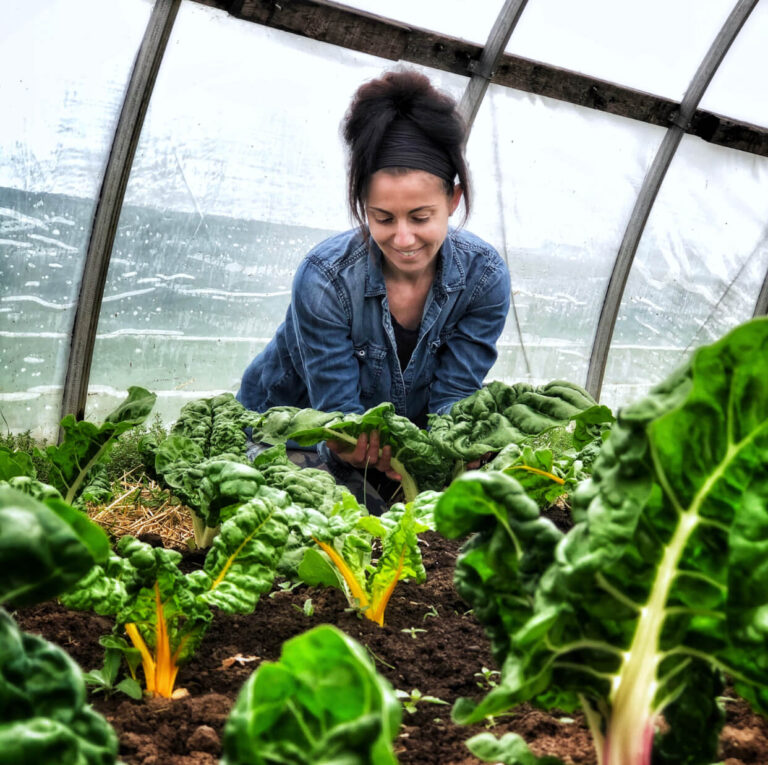
The storytelling: Matys’ family history, farm-to-table roots, and personal connection to Cyprus give the recipes weight. These are not just dishes. They are memory, migration, and identity on a plate.
If your ideal cookbook is built around ultra-fast weeknight dinners, this may not be your everyday grab. Many recipes lean into the pleasure of slower cooking, gathering, and taking your time. This is a cookbook for people who love food as an experience, not just a task.
My Cypriot Table feels especially relevant right now, when more home cooks are looking for recipes that connect culture, story, and seasonal produce.
For Vancouver readers, there is something particularly familiar in Matys’ farm-driven philosophy. It aligns beautifully with the Pacific Northwest love of fresh ingredients, local markets, and food that brings people together.
In other words, if Ottolenghi fans want something more intimate, more nostalgic, and a little more halloumi-forward, this belongs on your shelf.
Best for: Those who love long-table dinners, Mediterranean flavours, meaningful food stories, and anyone who believes halloumi deserves far more attention.
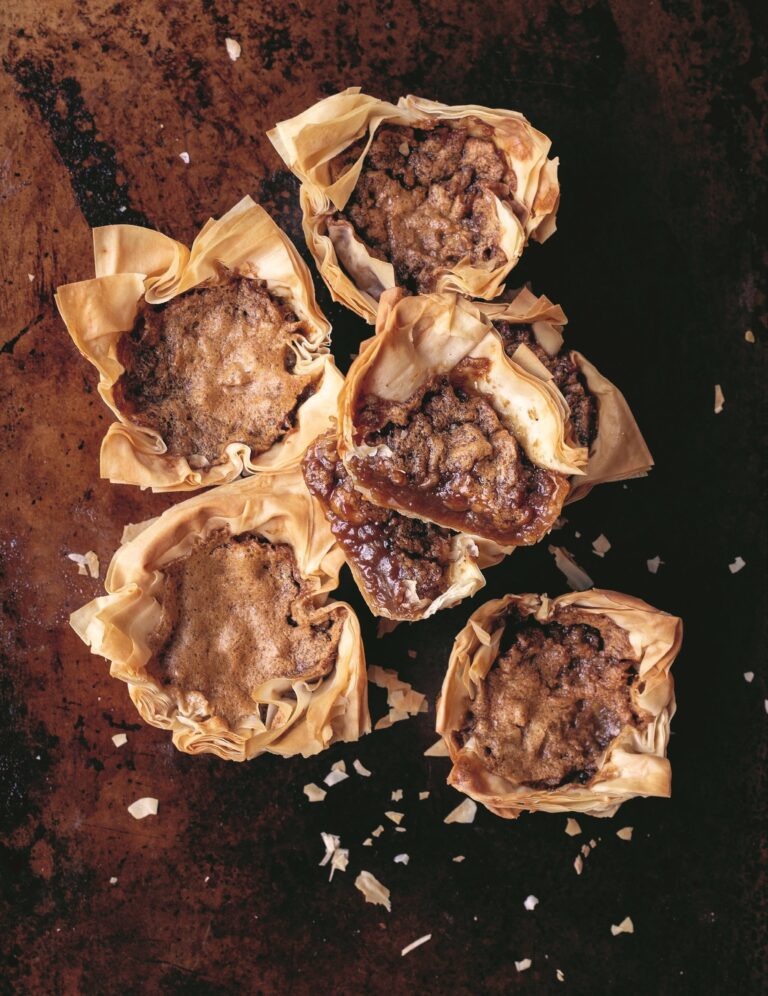
Baklava Butter Tarts
By Irene Matys
- 1/3 cup unsalted butter (melted)
- 3 tbsp unsalted butter (room temperature)
- ½ cup dark brown sugar
- 2 large eggs (room temperature)
- ¾ cup pure maple syrup
- ¾ tsp pure vanilla extract
- ½ tsp ground cinnamon
- ⅛ tsp ground cloves
- ⅛ tsp sea salt
- ⅓ cup finely chopped walnuts
- ⅓ cup finely chopped raw almonds (skin on)
- 6 sheets phyllo (thawed following package directions)
-
Preheat the oven to 350°F and brush a 12-cup muffin tin with melted butter.
-
In a large bowl and using a hand mixer, whisk the room-temperature butter and sugar until fluffy and light in color, 2 to 3 minutes. Whisk in the eggs one at a time; do not overmix. Stir in the maple syrup, vanilla, cinnamon, cloves, salt, walnuts, and almonds. Set aside until ready to use.
-
Lay a sheet of phyllo on a clean work surface and lightly brush it with melted butter. Repeat this process with the remaining sheets, stacking each sheet on top of each other.
- With a sharp knife, cut the phyllo stack into 12 equal squares. Carefully press each stacked piece of phyllo into the muffin tin to form a cup. Give the filling a gentle stir and divide it among the phyllo cups.
- Bake for 25 minutes, until the phyllo is golden and the filling has slightly set. Let them cool for 5 minutes to set in the pan, then remove to a cooling rack.
- These can be enjoyed warm or at room temperature. They can be refrigerated in an airtight container for up to 3 days. To serve, bake them in a preheated oven at 350°F until the phyllo is crisp, about 5 minutes.
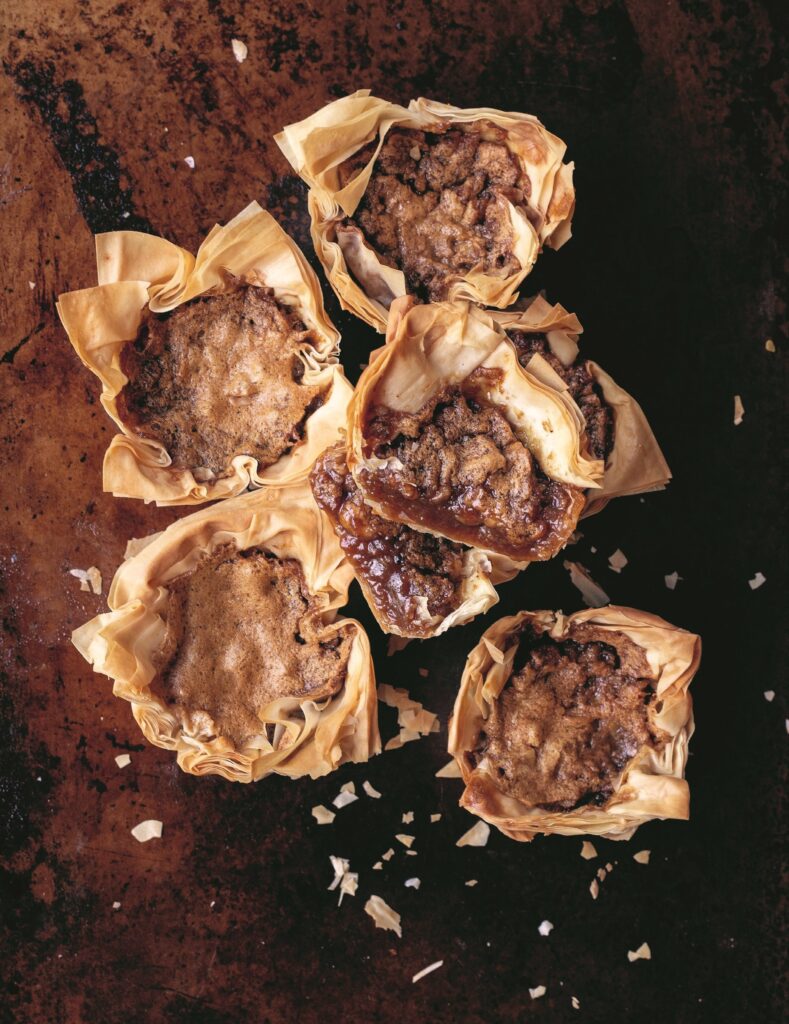
Mmm, butter tarts. Truly a Canadian classic! Butter tarts aren’t just a dessert; they’re a taste of Canadian history and a sweet reminder of the country’s warm and welcoming spirit. For Greek Cypriots, the same things hold true for baklava. This recipe is a culinary marriage of these two classics and my two heritages: the rich, gooey sweetness of butter tarts pairs perfectly with the aromatic cinnamon and cloves, nuts, and layers of flaky pastry that define baklava. The best (and sweetest) of both worlds, you might say.